Countries on the 12 Axes
Which country is closest to your politics? We scored 54 countries on the same 12 axes as your result, by how their government, laws and policy work today. Once you have a result, sort the list by match.
How Countries Are Scored
Each profile reads the country's system, not its people's opinions: how power is split between capital and regions, how elections work, alliances and military posture, civil liberties, the role of the state in the economy, religion in law, social laws, immigration rules, trade policy and how it treats new technology. Profiles are editorial and are reviewed when laws change.
All 54 Countries
Take the test first to sort countries by match. Your result stays in this browser.
Americas
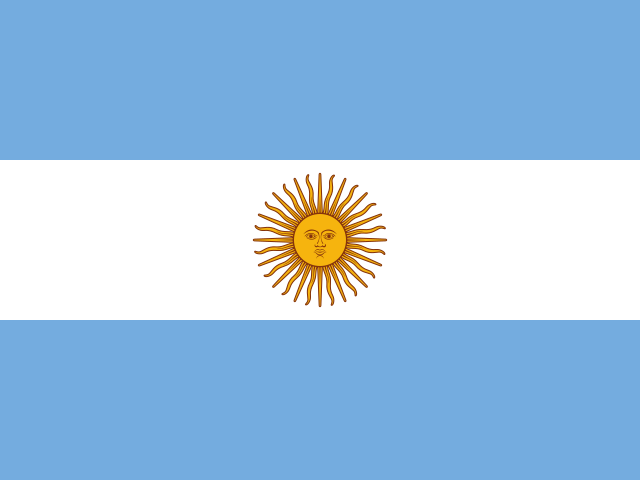
Argentina
A federal republic of 23 provinces and the autonomous city of Buenos Aires. Since 2023 the policy mix has turned to deep spending cuts, deregulation and trade opening after decades of state-led economics, while social law stays liberal, with same-sex marriage since 2010 and legal abortion since 2020.
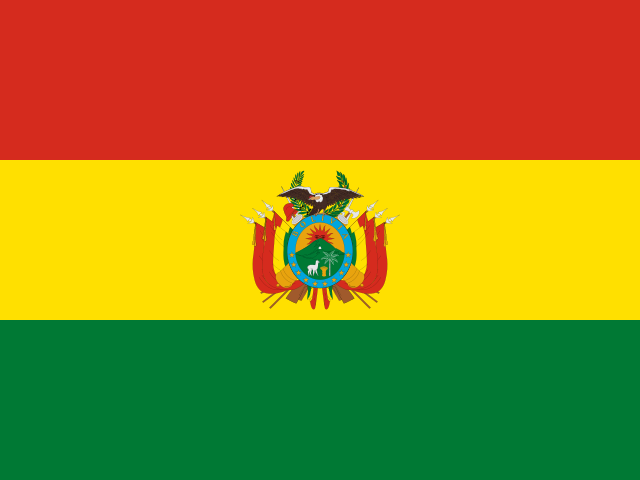
Bolivia
A plurinational state whose constitution recognizes 36 Indigenous nations and gives regions and Indigenous territories autonomy. Gas and lithium are under strong state control after nationalizations, though recent governments have moved toward opening the economy; social law remains largely traditional.
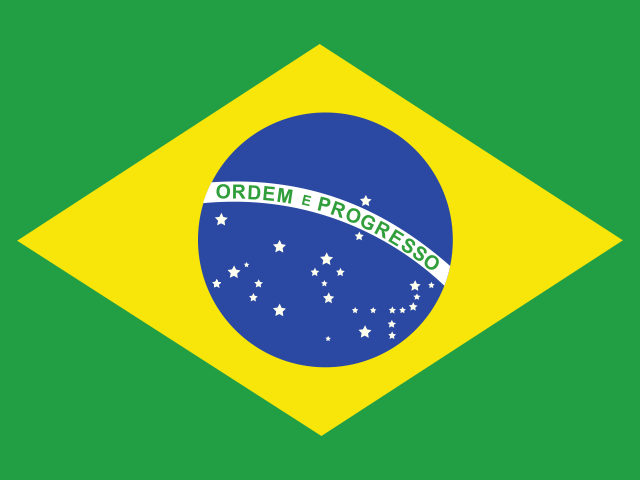
Brazil
A federal republic of 26 states and a federal district, with compulsory voting and a powerful Supreme Court. State banks, Petrobras and the BNDES development bank give the state a large economic role; Mercosur keeps tariffs high; Catholic and evangelical blocs weigh heavily on social law.
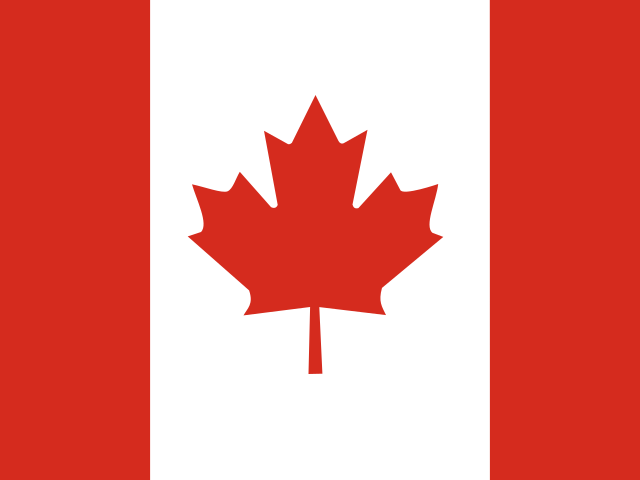
Canada
A parliamentary federation where provinces run health, education and resources, with Quebec holding wide autonomy. Public universal healthcare, official multiculturalism and high points-based immigration shape its profile, along with legal same-sex marriage, assisted dying and cannabis, NATO membership and a free trade orientation.
Chile
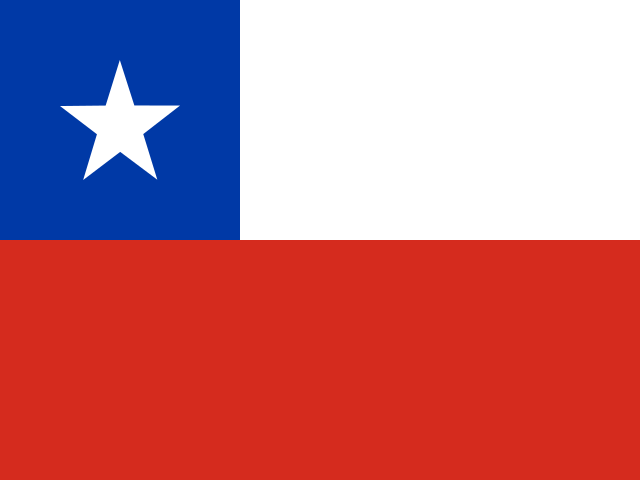
One of the most centralized states in the Americas, with power concentrated in Santiago. Its market model includes private pension funds and a dense web of free trade agreements, a stable democracy with strong institutions, and social reforms such as same-sex marriage and limited legal abortion.
Colombia
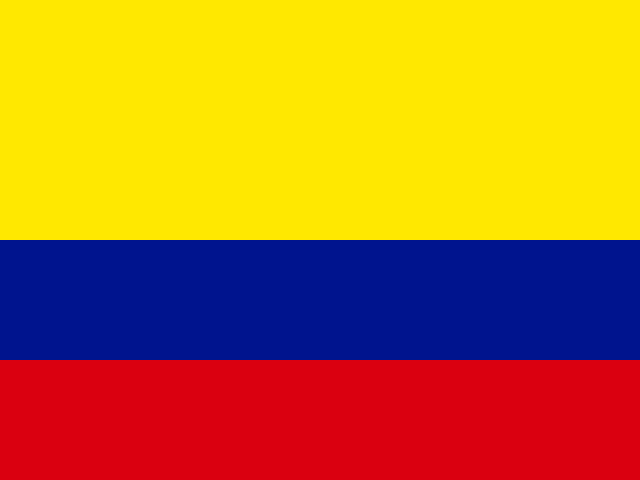
A unitary but decentralized republic with elected governors and mayors and a strong Constitutional Court. Decades of armed conflict keep a large army and police on the front line; courts have legalized same-sex marriage and abortion up to 24 weeks; it hosts millions of Venezuelan migrants under temporary protection.
Cuba
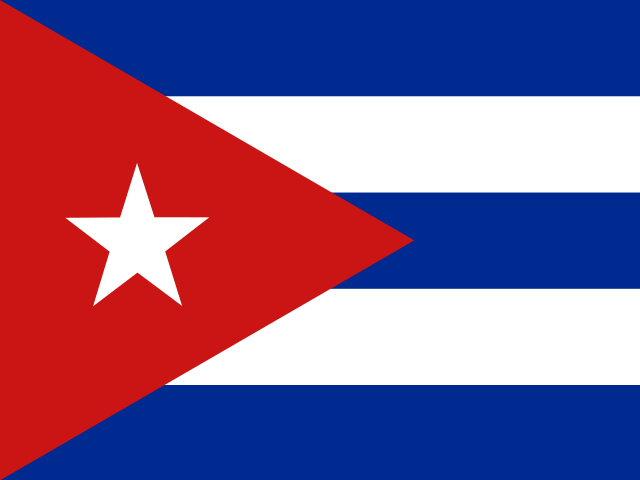
A one-party socialist state led by the Communist Party, with state ownership of most of the economy and central planning, only recently loosened for small private businesses. Free healthcare and education are core policies; the 2022 Family Code legalized same-sex marriage by referendum.
Ecuador
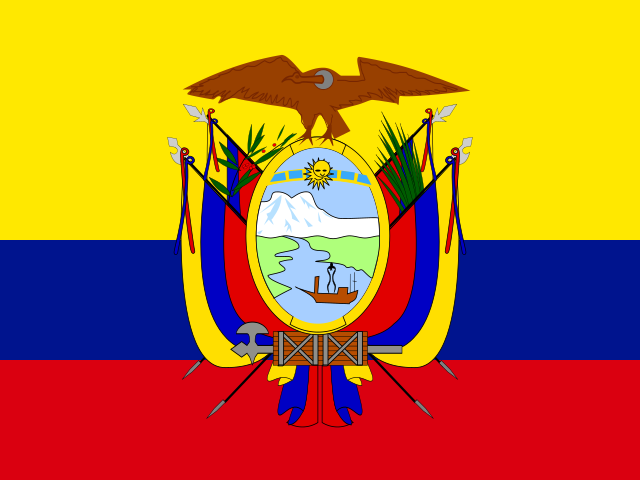
A unitary presidential republic that uses the US dollar as its currency, which limits monetary policy. Since 2024 the state has declared an internal armed conflict against criminal gangs, deploying the military in streets and prisons; its constitution recognizes rights of nature, and courts legalized same-sex marriage.
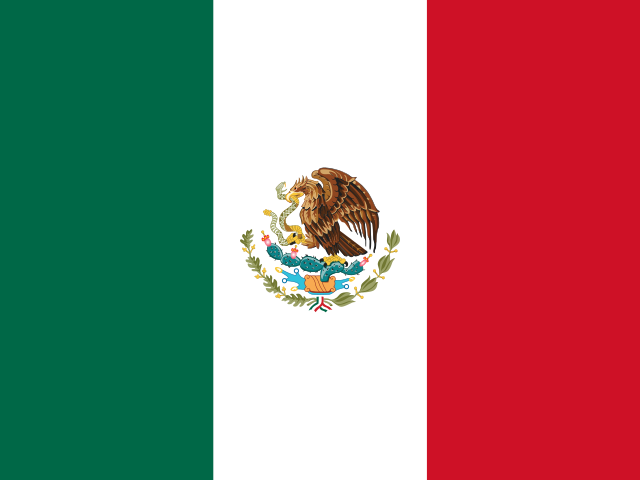
Mexico
A federal republic of 32 states with a strong presidency and a constitution that keeps church and state firmly apart. Energy stays largely in state hands through Pemex and CFE, a militarized National Guard leads public security, and trade runs through the USMCA with the US and Canada.
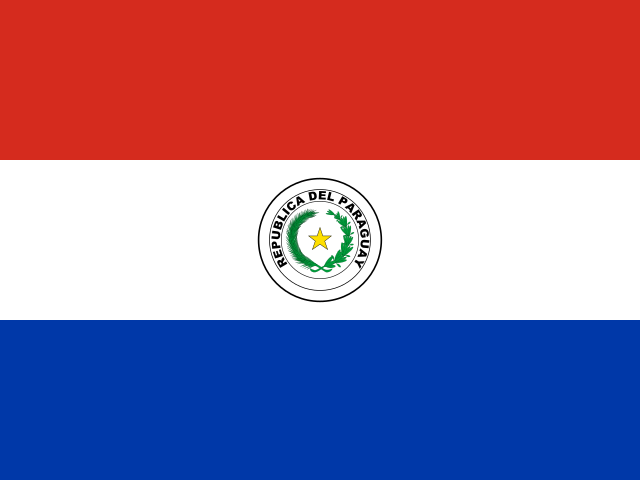
Paraguay
A unitary presidential republic with one of the lowest tax burdens in the region, including a flat 10 percent income tax, and an economy built on soy, beef and hydropower. The Constitution and laws keep abortion banned in almost all cases and do not recognize same-sex unions.
Peru
A unitary republic where a powerful single-chamber Congress can remove presidents, which has produced frequent changes at the top. An independent central bank, open trade deals and a market economy built on mining coexist with Catholic-influenced social law, no same-sex marriage and tight abortion rules.
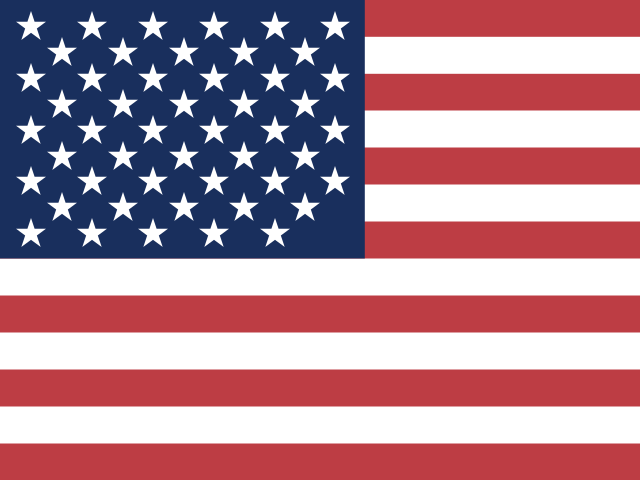
United States
A federal republic of 50 states with strong courts and wide state powers, so abortion and many social laws differ by state. It keeps the largest military budget and a global alliance network, a market economy with a thin welfare state, and has raised tariffs sharply since 2025.
Uruguay
A small unitary republic with one of the strongest democracies in the Americas and a long tradition of strict secularism. It regulated the cannabis market, legalized same-sex marriage, abortion and assisted dying, keeps a broad welfare state with strong unions, and trades through Mercosur.
Venezuela
A nominally federal republic where state power has been concentrated for years in the executive, with the courts, electoral council and armed forces closely aligned with the ruling movement. Oil runs through state firm PDVSA, prices and currency have been heavily controlled, and international sanctions shape trade.
Europe
Denmark
A unitary monarchy with a broad welfare state and flexible labor market, and an established Lutheran church. It has some of Europe's strictest immigration and integration laws, including rules targeting so-called parallel societies, while staying open to trade, active in NATO and highly digitized.
Finland
A unitary parliamentary republic with an autonomous Åland and a broad Nordic welfare state. Universal male conscription keeps one of Europe's largest reserve armies, and it joined NATO in 2023; it is open to trade within the EU and invests heavily in education and technology.
France
A centralized semi-presidential republic run largely from Paris, with strict laïcité that bans religious symbols in public schools. It is a nuclear power with forces deployed abroad, has one of the highest levels of public spending in the world, and expects immigrants to integrate into one republican culture.
Germany
A federal republic of 16 Länder with strong regional governments and a powerful Constitutional Court. Its social market economy pairs export industry with codetermination and a broad welfare state; it is a core EU member, is rearming within NATO, and the state collects a church tax for the main churches.
Hungary
A centralized parliamentary republic whose 2011 constitution locks many policies behind two-thirds majorities and defines marriage as between a man and a woman. It runs some of the EU's toughest asylum rules, generous pro-natal family subsidies, and a large state role in energy, banking and media.
Italy
A parliamentary republic with regions that run healthcare and five with special autonomy. Catholic influence shows in social law: civil unions exist but not same-sex marriage, and surrogacy is a crime even abroad. A large public debt, a NATO and EU role, and strict policy on sea arrivals define the mix.
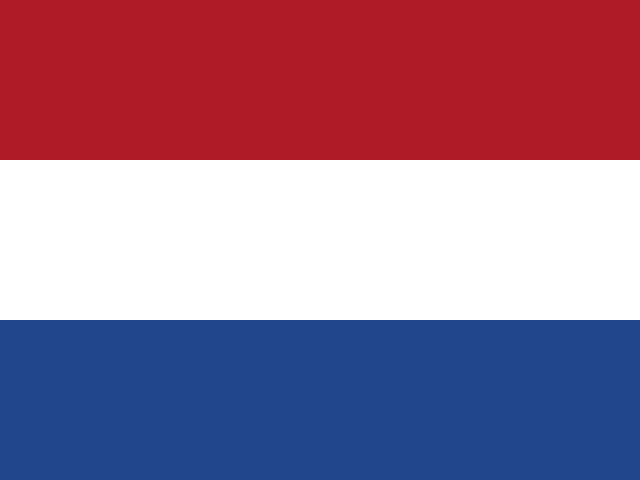
Netherlands
A decentralized unitary monarchy with proportional representation and coalition governments. It was the first country to legalize same-sex marriage and also allows euthanasia and tolerates cannabis sales, runs one of the most open trading economies through Rotterdam, and has tightened asylum and civic integration rules.
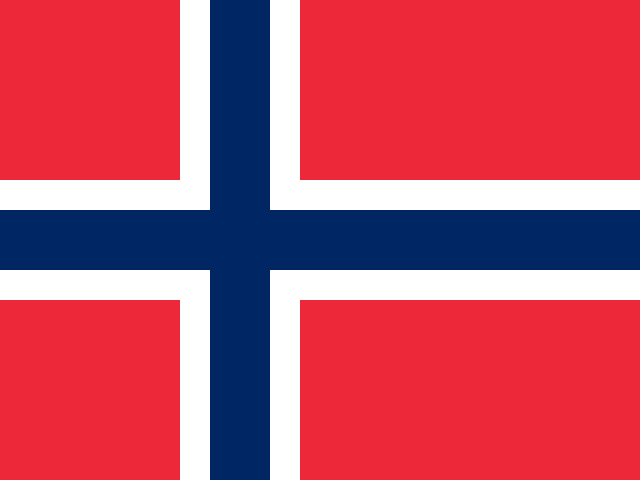
Norway
A unitary monarchy that tops global democracy rankings, with a broad welfare state funded partly by oil. The state owns large stakes in Equinor and other firms and manages the world's largest sovereign wealth fund; it stays outside the EU to protect farming and fisheries while joining its single market.
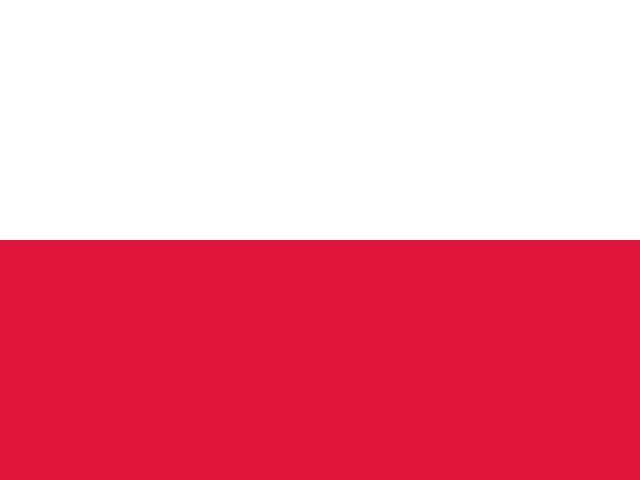
Poland
A unitary parliamentary republic and EU member that spends over 4 percent of GDP on defense, the highest share in NATO. The Catholic Church remains influential: abortion is banned in almost all cases and same-sex unions have no legal status, while immigration from outside Europe stays limited.
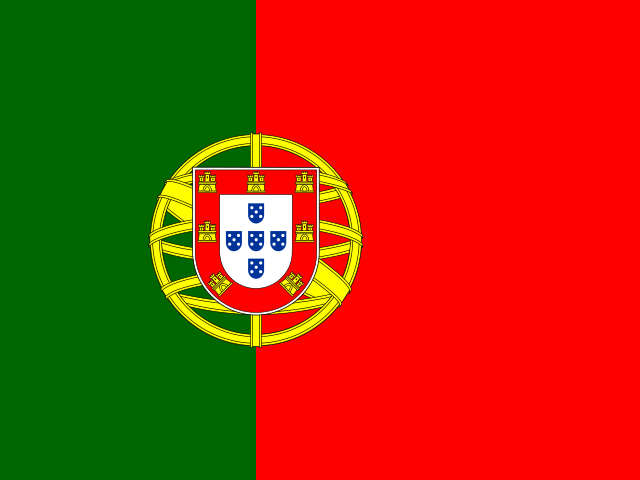
Portugal
A highly centralized semi-presidential republic, with autonomy only for the Azores and Madeira. A national health service, EU and NATO membership and open trade define its policy mix; it decriminalized personal drug use in 2001 and recognizes same-sex marriage, while immigration has grown fast.
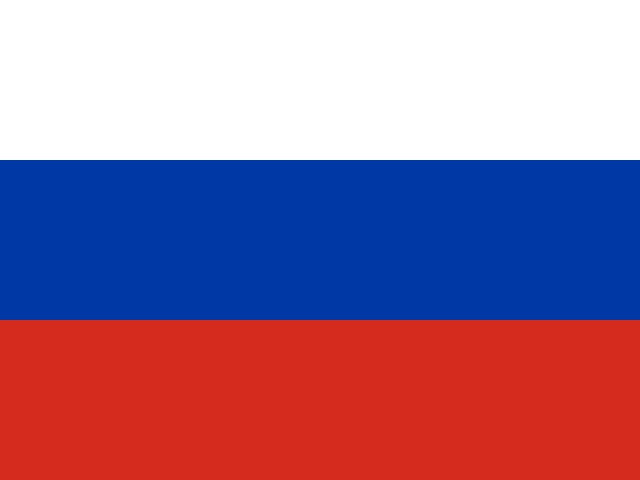
Russia
A nominal federation where power is concentrated in the presidency and regional governors answer to Moscow. Elections lack real competition, independent media and protest are restricted, and a war economy dominates after the 2022 invasion of Ukraine; laws promote traditional values and ban LGBT advocacy.
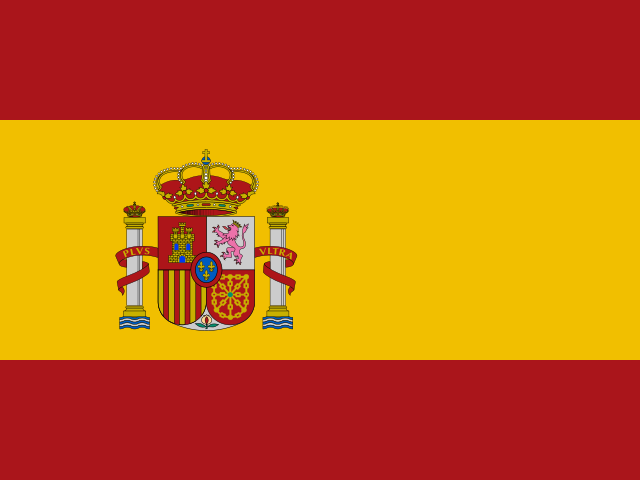
Spain
A parliamentary monarchy of 17 autonomous communities, with the Basque Country and Navarre collecting their own taxes. A broad public health system and EU membership frame the economy; it was an early adopter of same-sex marriage (2005) and has legalized assisted dying and gender self-identification.
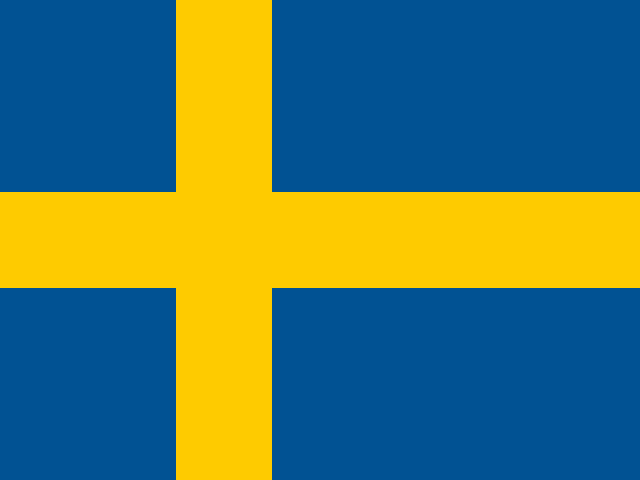
Sweden
A unitary monarchy with strong municipalities, a large universal welfare state and high taxes, combined with open markets and school vouchers. It ended two centuries of neutrality by joining NATO in 2024, has one of the most secular populations in Europe, and has moved from generous to restrictive asylum policy.
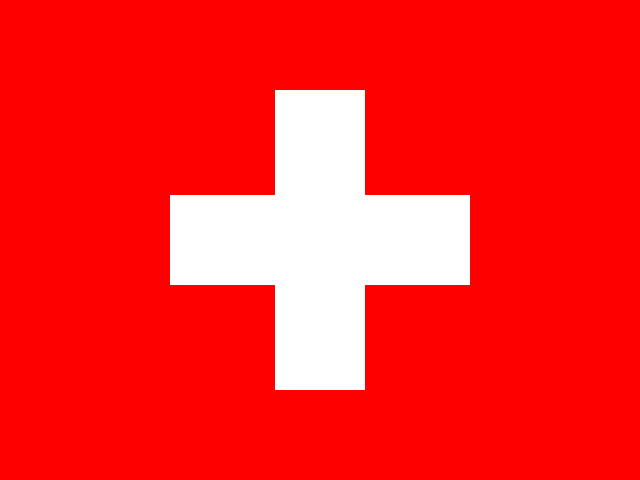
Switzerland
A confederation of 26 cantons with their own taxes and laws, where citizens vote on national referendums several times a year. It keeps armed neutrality with a militia army, stays outside the EU and NATO, has low taxes and open finance but protects farming, and applies strict naturalization rules.
Ukraine
A unitary semi-presidential republic with strong elected local councils from the decentralization reform. Under martial law since the 2022 Russian invasion, with elections suspended and mass mobilization, it seeks EU and NATO membership, promotes the Ukrainian language in public life and runs a large defense tech sector.
United Kingdom
A parliamentary monarchy with devolved governments in Scotland, Wales and Northern Ireland but no written constitution. It keeps nuclear weapons and a global military role in NATO, dense CCTV and broad online safety and protest laws, a tax-funded NHS, and an established church in a largely secular society.
Middle East and Africa
Egypt
A centralized presidential republic where the armed forces dominate politics and own a large share of the economy, from construction to food production. Protests and independent media face tight limits; Islamic law is the main source of legislation, and family law follows religious affiliation.
Iran
An Islamic republic where an unelected Supreme Leader and clerical councils vet candidates and override elected bodies. Religious law governs dress, family and criminal codes; the Revolutionary Guard holds military and economic power, and decades of sanctions have pushed a state-heavy, inward-looking economy.
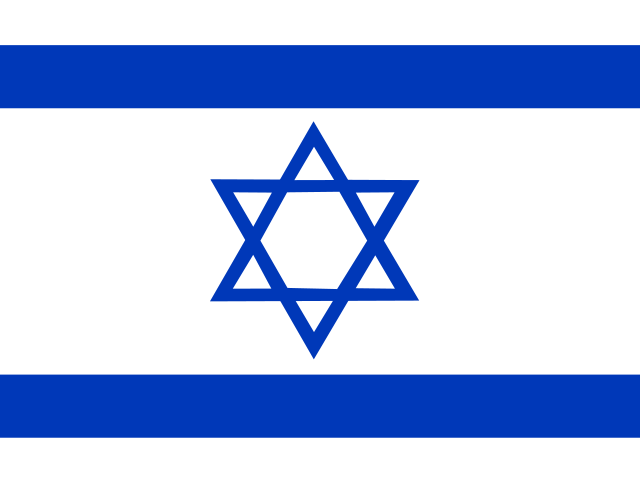
Israel
A unitary parliamentary democracy with no written constitution and very high defense spending, universal conscription and long-running military operations. Marriage is controlled by religious courts, the Law of Return and the 2018 nation-state law define it as a Jewish state, and its tech sector is among the world's most intense.
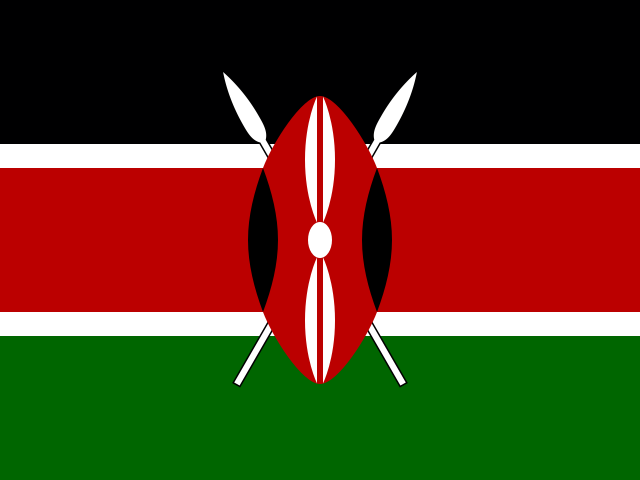
Kenya
A presidential republic that devolved large budgets and services to 47 elected county governments under its 2010 constitution. It is a regional hub for diplomacy and peacekeeping, a leader in mobile money, and keeps colonial-era laws criminalizing same-sex relations along with conservative family law.
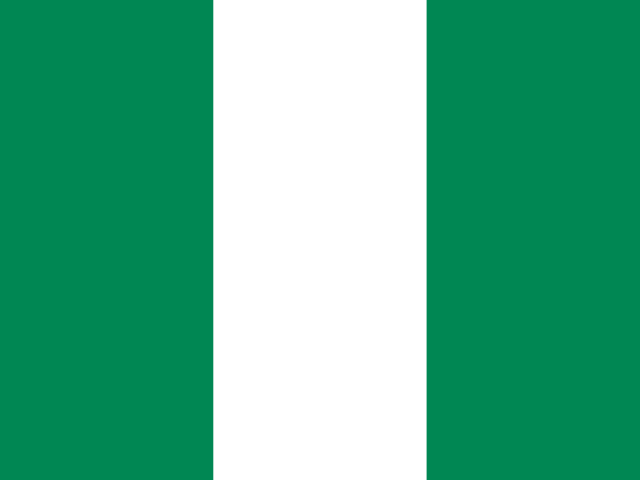
Nigeria
A federal republic of 36 states, a dozen of which apply sharia criminal law in the north, with a constitution that requires ethnic balance in public posts across more than 250 groups. Same-sex unions are criminalized, and import bans and tariffs protect local farming and manufacturing.
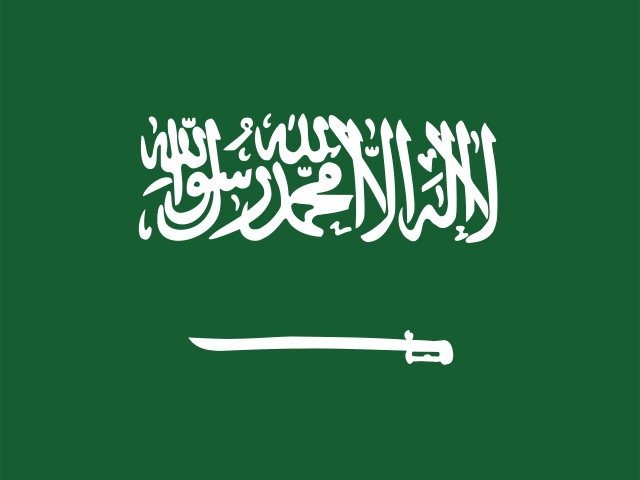
Saudi Arabia
An absolute monarchy with no elected legislature, where Islamic law is the basis of the legal system. The state owns Aramco and directs the economy through the Public Investment Fund and Vision 2030 megaprojects; social rules have eased on women driving and entertainment, while dissent remains banned.
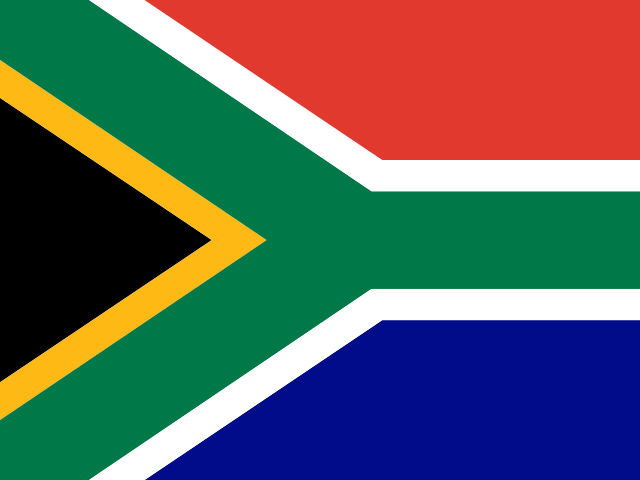
South Africa
A parliamentary republic with nine provinces and twelve official languages, built on a 1996 constitution with one of the world's broadest bills of rights. It was the first African country to legalize same-sex marriage, uses Black Economic Empowerment rules to redistribute ownership, and follows a nonaligned foreign policy.
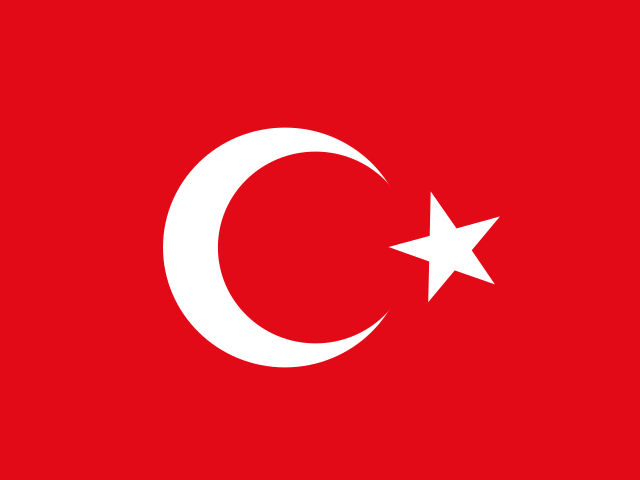
Türkiye
A centralized presidential republic since 2017, with governors appointed by Ankara and limits on media and opposition. Officially secular, it runs religion through the state Diyanet, which shapes public Islam; it has NATO's second largest army, a customs union with the EU and a strong single Turkish national identity.
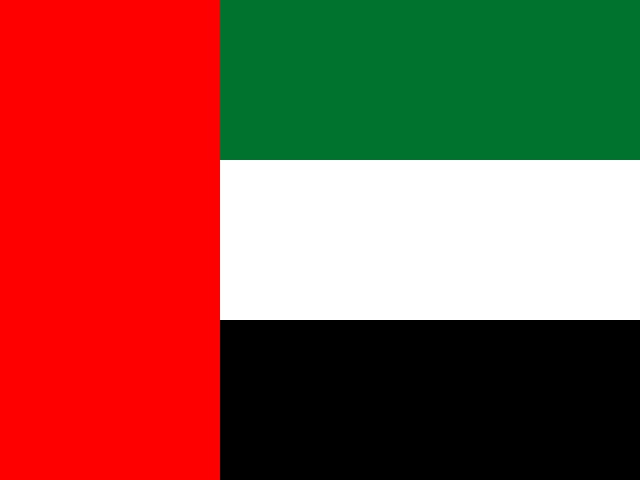
United Arab Emirates
A federation of seven hereditary monarchies with no elected government, where about 88 percent of residents are foreign workers without a path to citizenship. Free zones, no personal income tax and open trade sit beside wide surveillance, limits on speech and a state drive into AI and space.
Asia and Oceania
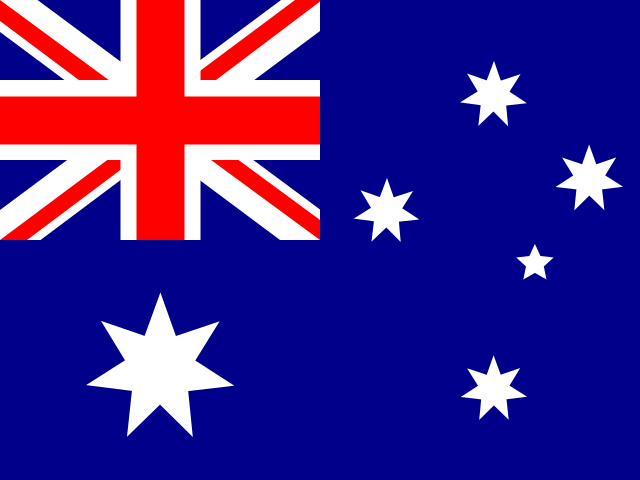
Australia
A federal parliamentary monarchy of six states with compulsory voting and universal public healthcare. It pairs high skilled immigration and official multiculturalism with offshore processing of boat arrivals, is tied to the US and UK through AUKUS, trades openly and bans social media for under-16s.
Bangladesh
A highly centralized unitary parliamentary republic rebuilding its institutions after the 2024 uprising and an interim government. Islam is the state religion beside a formally secular tradition, family law follows religion, and the export economy depends on garment factories and remittances.
China
A one-party state led by the Communist Party, with wide surveillance, internet censorship and state control of religion. State-owned firms and five-year plans steer a market economy, the government pushes AI, electric vehicles and space as national priorities, and policy promotes a single Chinese national identity.
India
The world's largest democracy, a federal union of 28 states with a strong center that can override them. It follows strategic autonomy between major powers with a large nuclear-armed military, mixes state industrial policy with high tariffs, and its citizenship and religious laws are a focus of debate on secularism.
Indonesia
A unitary presidential republic with wide regional autonomy, including sharia rule in Aceh, built on the Pancasila principle that requires belief in God. Its new criminal code bans sex outside marriage, and it uses export bans on nickel and other minerals to force local processing.
Japan
A unitary parliamentary monarchy with a pacifist constitution that is now doubling defense spending under its US alliance. It has very low immigration and a slow naturalization path, does not recognize same-sex marriage or separate married surnames, protects rice farming, and is a leader in robotics.
Malaysia
A federal constitutional monarchy of 13 states whose sultans rotate as king. Islam is the federation's religion, with sharia courts for Muslim family law, and Bumiputera policies give Malays and Indigenous groups preferences in education, jobs and business; sedition and communications laws limit speech.
New Zealand
A unitary parliamentary monarchy with a single chamber and proportional voting, and a Treaty of Waitangi framework that shapes Māori rights and bicultural public policy. It has a small military with a nuclear-free policy, an early adopter of open trade, and liberal social laws including assisted dying.
North Korea
A hereditary one-party state built on the Juche doctrine of self-reliance, with no free elections, media or travel. The economy is centrally planned and largely closed to trade, the military takes priority under the songun policy and a nuclear program, and daily life is under near-total state surveillance.
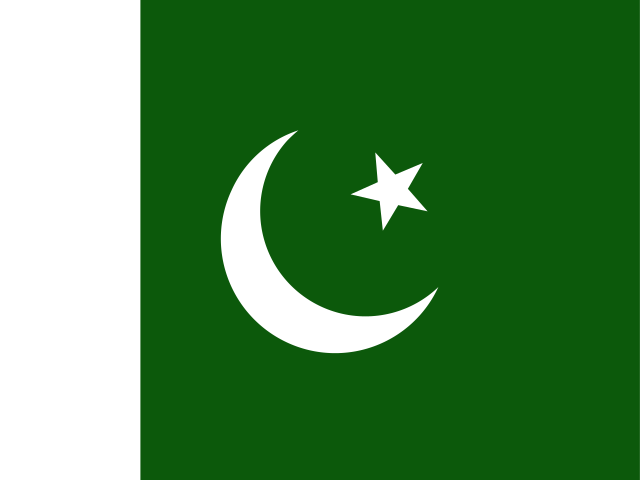
Pakistan
An Islamic republic with a federal system that gives provinces wide powers, but where the military has long shaped politics from behind the scenes. Blasphemy laws carry severe penalties, Islamic courts review legislation, and a nuclear-armed army absorbs a large share of the budget.
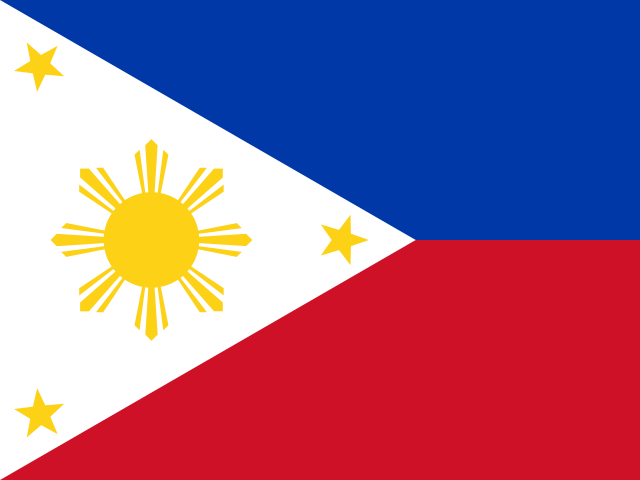
Philippines
A unitary presidential republic with a Muslim autonomous region in Bangsamoro and a strong US defense alliance. The Catholic Church shapes social law: it is the only country besides Vatican City with no divorce law, and abortion is banned; the economy is market-led and depends on remittances.
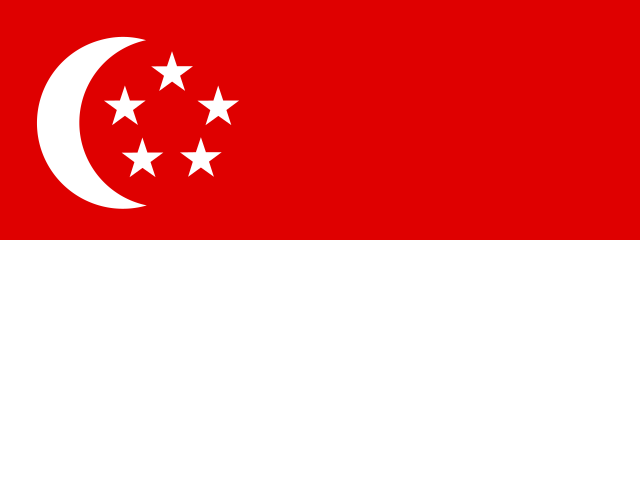
Singapore
A city-state with competitive elections but one party in power since independence, strict public order laws and limits on protest. State-linked firms and the Temasek fund sit inside one of the world's freest trade economies; national service is compulsory, and ethnic quotas govern public housing.
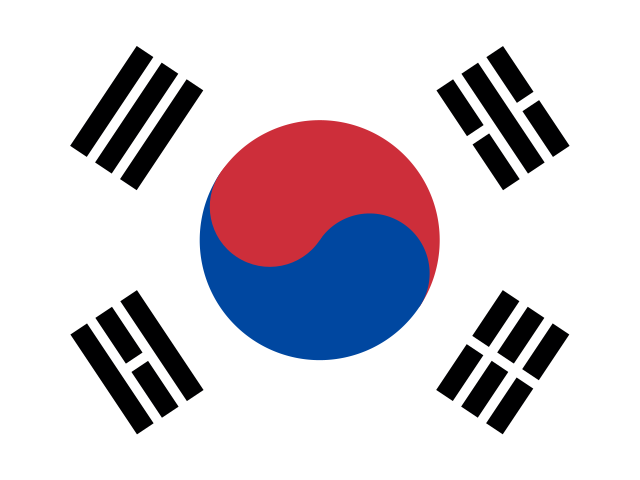
South Korea
A unitary presidential republic with universal male conscription and a US alliance facing North Korea, plus a National Security Act that restricts pro-North speech. State industrial policy works through chaebol conglomerates, it is among the most connected tech economies, and same-sex unions are not recognized.
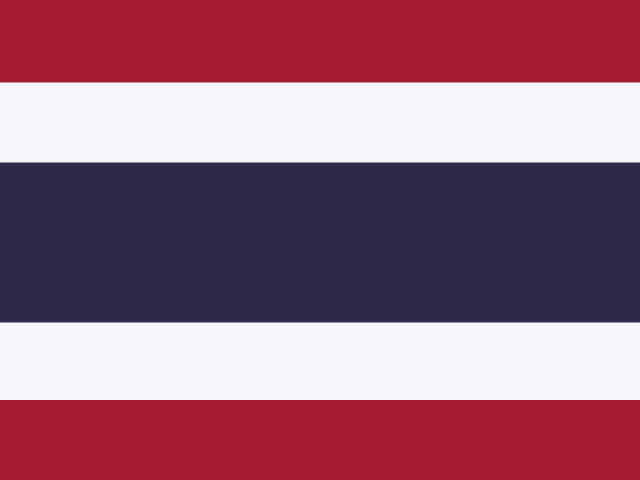
Thailand
A centralized constitutional monarchy where the military and appointed bodies have long checked elected governments, and strict royal defamation laws limit speech. Buddhism has a protected public role, yet it became the first Southeast Asian country to legalize same-sex marriage in 2025.
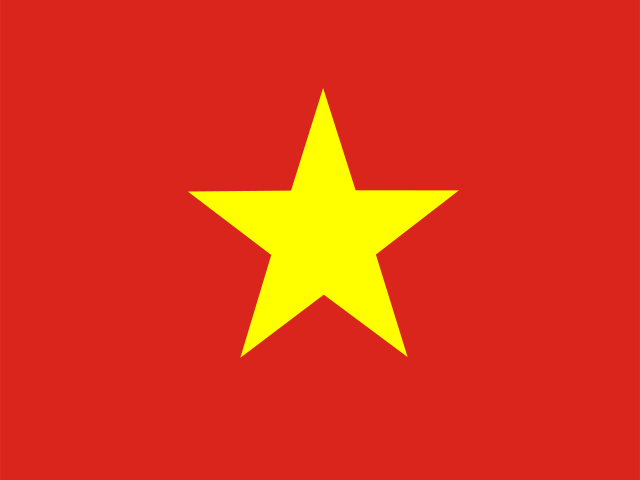
Vietnam
A one-party socialist republic led by the Communist Party, with a market economy opened since the 1986 Doi Moi reforms but strategic sectors held by state firms. It has signed many free trade deals, including with the EU, keeps tight control of media and religion, and follows a nonaligned defense policy.
Editorial reference profile: our own scores from public positions and records, not a test they took.
Countries on the 12 Axes: Common Questions
Is the country match based on my nationality?
No. It compares your 12 scores with each country's profile. A Brazilian can match Denmark and an American can match Uruguay.
Why does a country sit where it does?
Each card lists the features that decide its profile, such as a federal constitution, state-owned industry or a religious basis for law.