Authoritarian Capitalism on the 12 Axes
Authoritarian capitalism combines a free-market, privately owned economy with a strong state that limits political freedoms, elections and opposition in the name of order and growth.
Take the test and see if you matchAuthoritarian Capitalism Scores on Each Axis
What Authoritarian Capitalism Stands For
Authoritarian capitalism describes regimes that open markets and protect private property while keeping tight political control. Examples often cited include Augusto Pinochet's Chile (1973 to 1990), which used Chicago-trained economists for market reforms while repressing opponents, South Korea under Park Chung-hee, and Singapore's long-running one-party dominant system. Supporters argue that political stability allows fast growth and investment; critics point to documented human rights abuses, censorship and the lack of fair elections. Compared with State Capitalism, the state here protects private business instead of owning major industries. Compared with Fascism, it is less nationalist and less mobilizing, focusing on economic order rather than a total remaking of society.
Answers That Lead to Authoritarian Capitalism
- You score high on Markets and lean Laissez-faire: you want private property, low taxes and an open business climate.
- You score high on Security and low on Democratic: you believe order and strong authority come before elections, protest and free media.
- You lean Militarist and Acceleration: you value a strong army and police and want rapid industrial and technological development.
Ideologies Close to Authoritarian Capitalism
- Neoconservatism 74%Neoconservatism is a hawkish strand of the right that supports free markets and a strong military, and believes in using national power abroad to defend and spread liberal democracy.
- State Capitalism 69%State capitalism is an economic system in which the state owns or controls major companies and directs markets toward national goals, often under a single-party or strongly centralized government.
- Monarchism 65%Monarchism supports a hereditary monarch as head of state, seeing the crown as a source of continuity, national unity and legitimacy that stands above party politics.
- Moderate Conservatism 63%Moderate conservatism values tradition, stability and markets but accepts gradual social change, the welfare state and international cooperation, preferring careful reform to sharp breaks.
Countries and Figures Near Authoritarian Capitalism
Countries
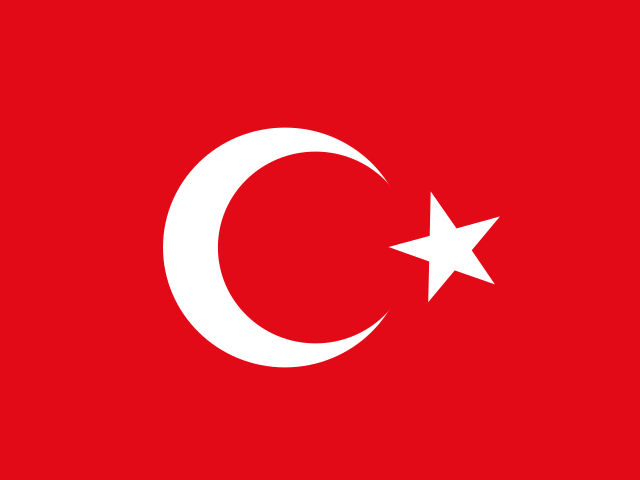 Türkiye75%
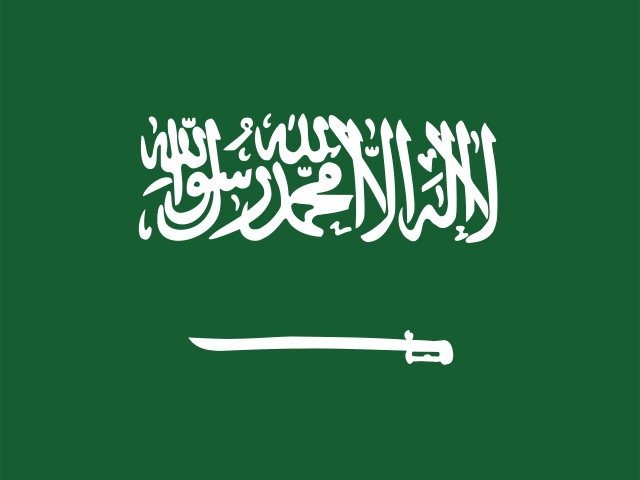 Saudi Arabia72%
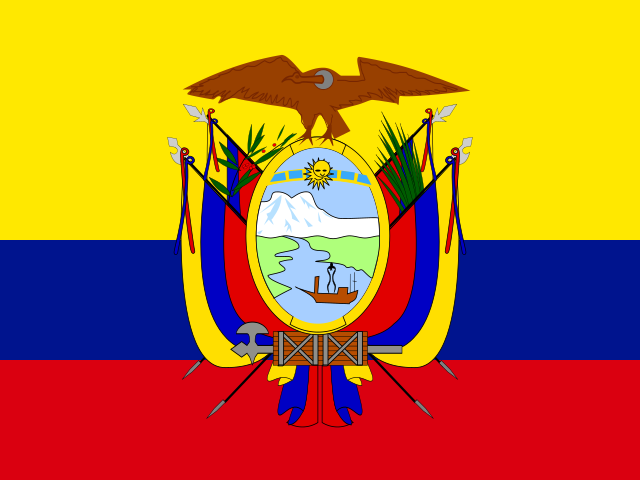 Ecuador70%
Figures
- MTMargaret Thatcher80%
- DXDeng Xiaoping70%
- LKLee Kuan Yew69%
Editorial reference profile: our own scores from public positions and records, not a test they took.